
If you are deciding between 5mm fuse beads and 2.6mm mini beads, the biggest difference is not just the size of each bead. It is how the final artwork feels: scale, detail, speed, and the kind of project each size is best suited for.
This article is set up as a comparison framework, with image placeholders reserved for real side-by-side examples.
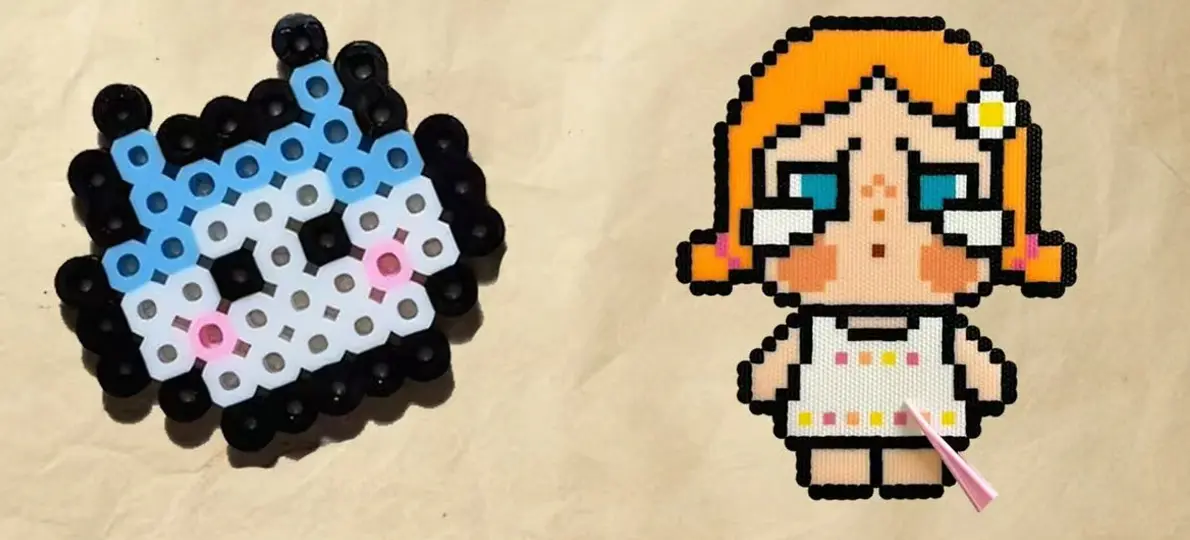
Quick Summary
| Item | 5mm Beads | 2.6mm Beads |
|---|---|---|
| Size feel | Larger, chunkier | Smaller, finer |
| Best for | Beginners, fast builds, kids | Detail work, display pieces, advanced makers |
| Placement speed | Faster | Slower |
| Visual detail | Lower resolution | Higher resolution |
| Tooling difficulty | Easier | More precision required |
Same Design, Different Result
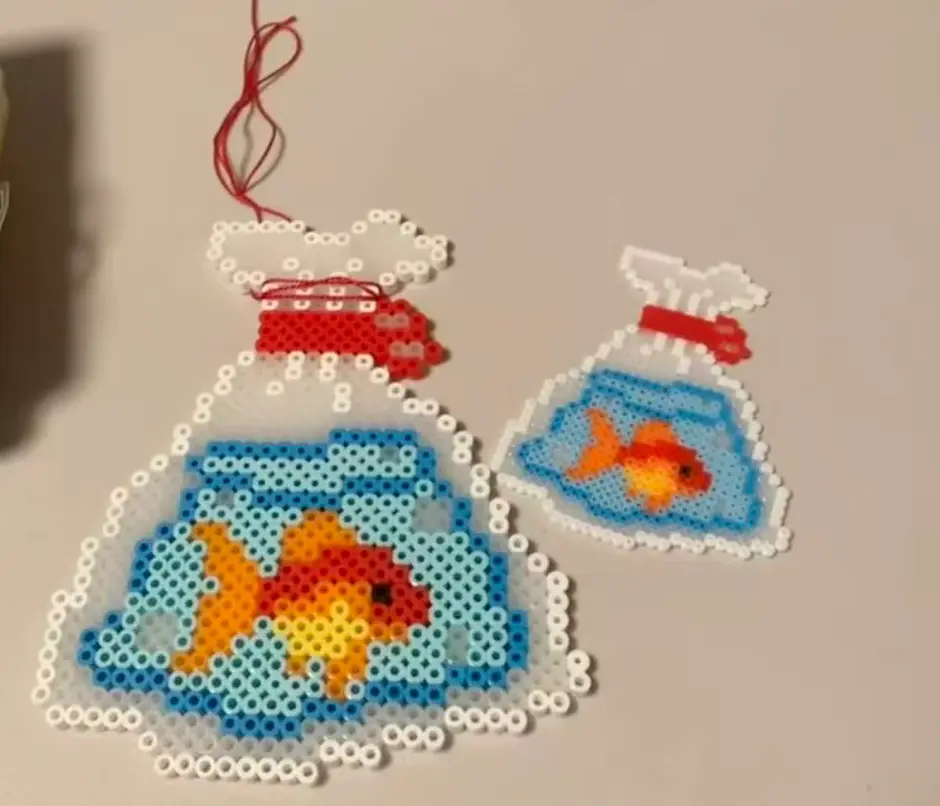
One of the clearest ways to compare 5mm and 2.6mm beads is to build the same design in both sizes.
With 5mm beads, the design usually feels bolder, simpler, and more toy-like. With 2.6mm beads, the same artwork looks finer, denser, and closer to pixel art intended for display.
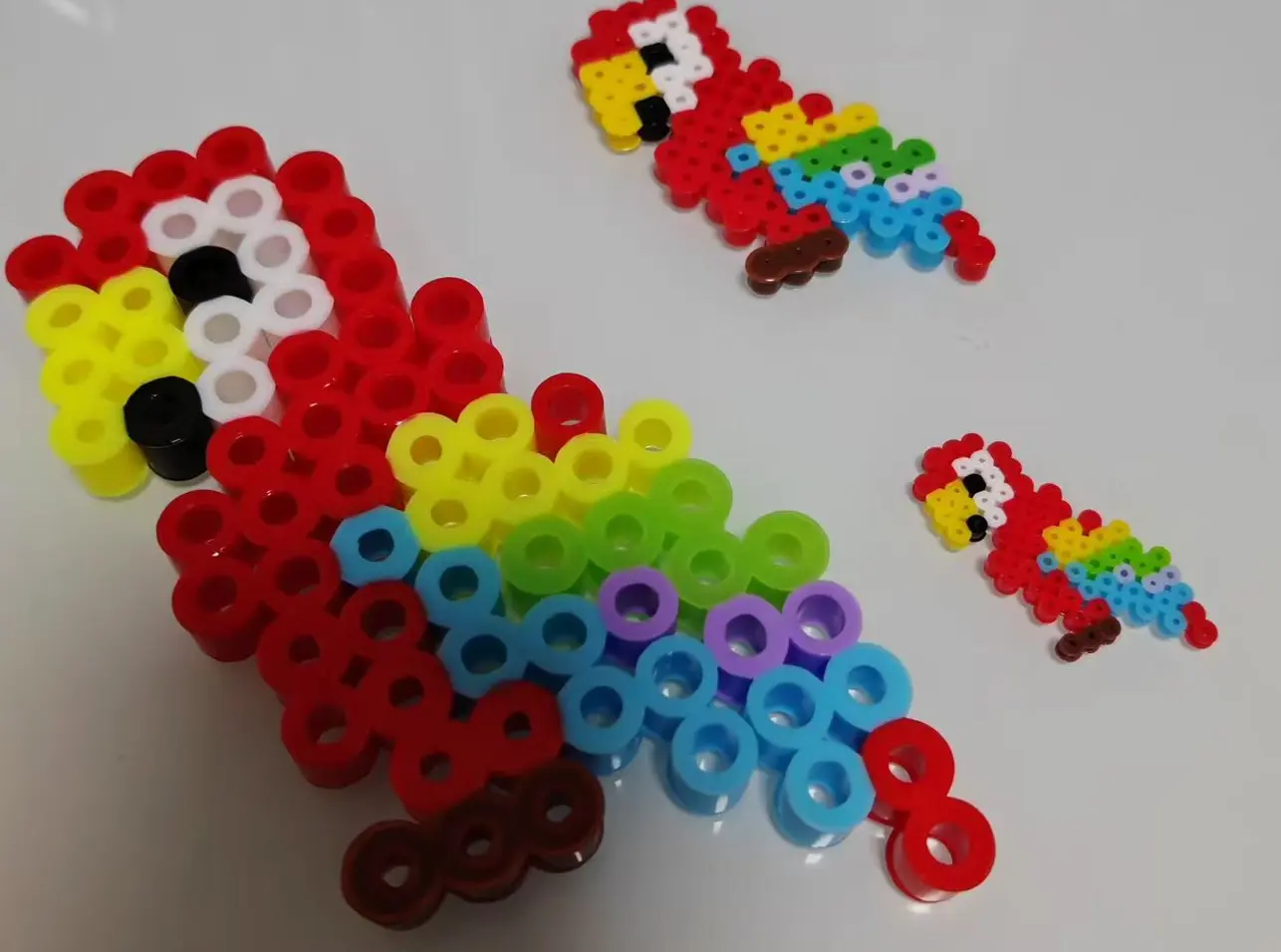
Bead Size Up Close
When you look closely, the difference becomes even more obvious.
5mm beads create a more visible grid and stronger bead texture. They are easier to handle by hand and more forgiving for long crafting sessions.
2.6mm beads create a tighter, more refined surface. They allow smoother curves, cleaner diagonals, and more convincing gradients, but they also demand more patience and more precise placement.
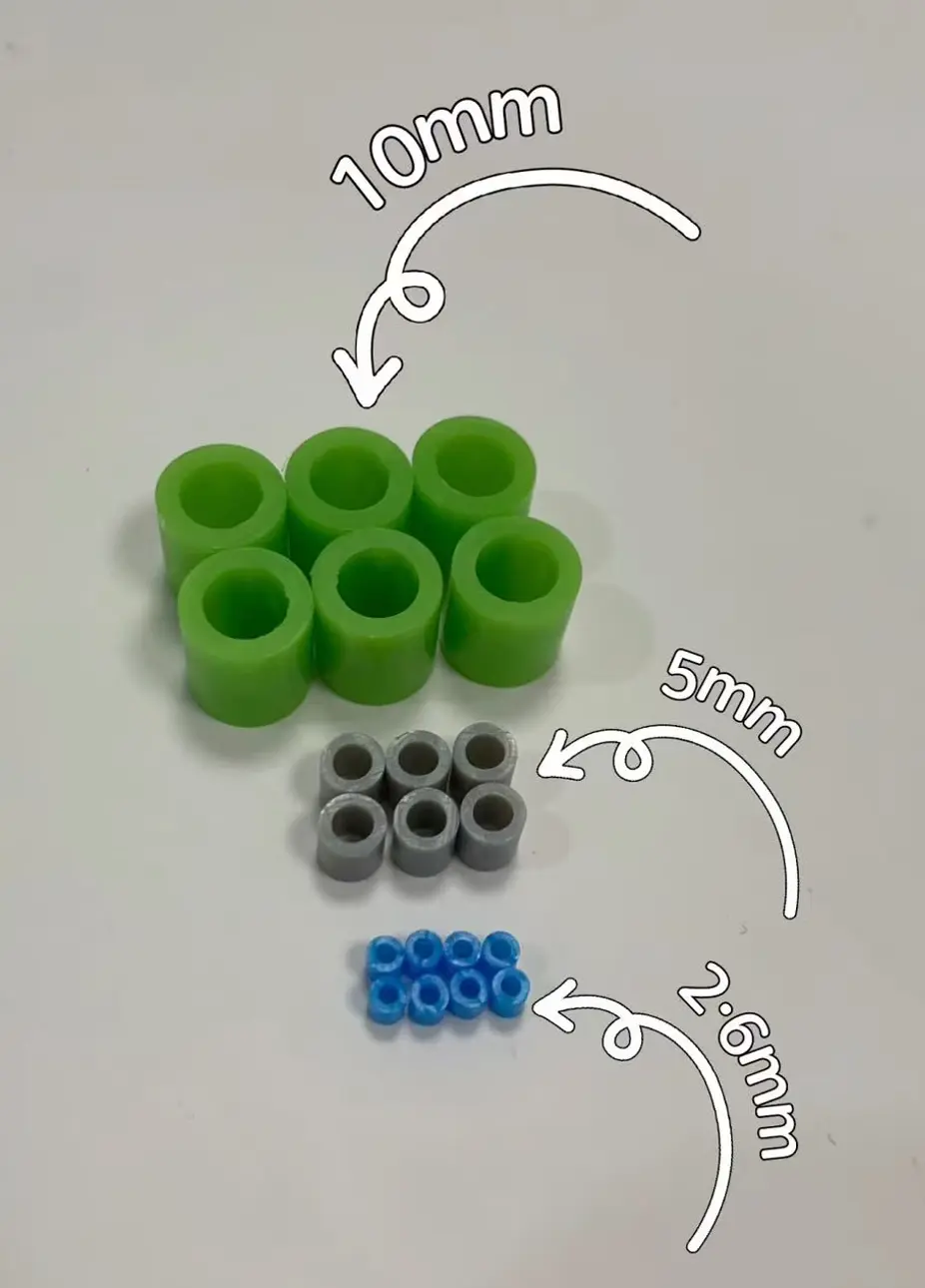
Finished Piece Size Comparison
Another practical difference is the overall size of the final piece.
If you build the same pattern grid:
- A 5mm version becomes physically much larger
- A 2.6mm version stays compact and easier to frame or collect
This matters a lot for wall art, keychains, magnets, framed game sprites, and large portrait projects.
Which One Is Easier to Use?
For most beginners, 5mm beads are easier.
They are simpler to pick up, simpler to sort, and less stressful to place on the board. They are also more forgiving during ironing.
2.6mm beads are usually better for makers who already know they want:
- Higher detail
- Cleaner gradients
- Smaller finished dimensions
- More display-quality results
Best Use Cases
5mm Beads Work Best For
- Beginner projects
- Kids and family crafting
- Fast weekend builds
- Bold cartoon designs
- Larger decorative pieces
2.6mm Beads Work Best For
- Detailed pixel art
- Character portraits
- Small but high-resolution builds
- Framed display pieces
- Advanced custom commissions
What to Compare in Your Final Photo Set
If you plan to turn this into a complete visual guide later, these are the most useful comparison shots to add:
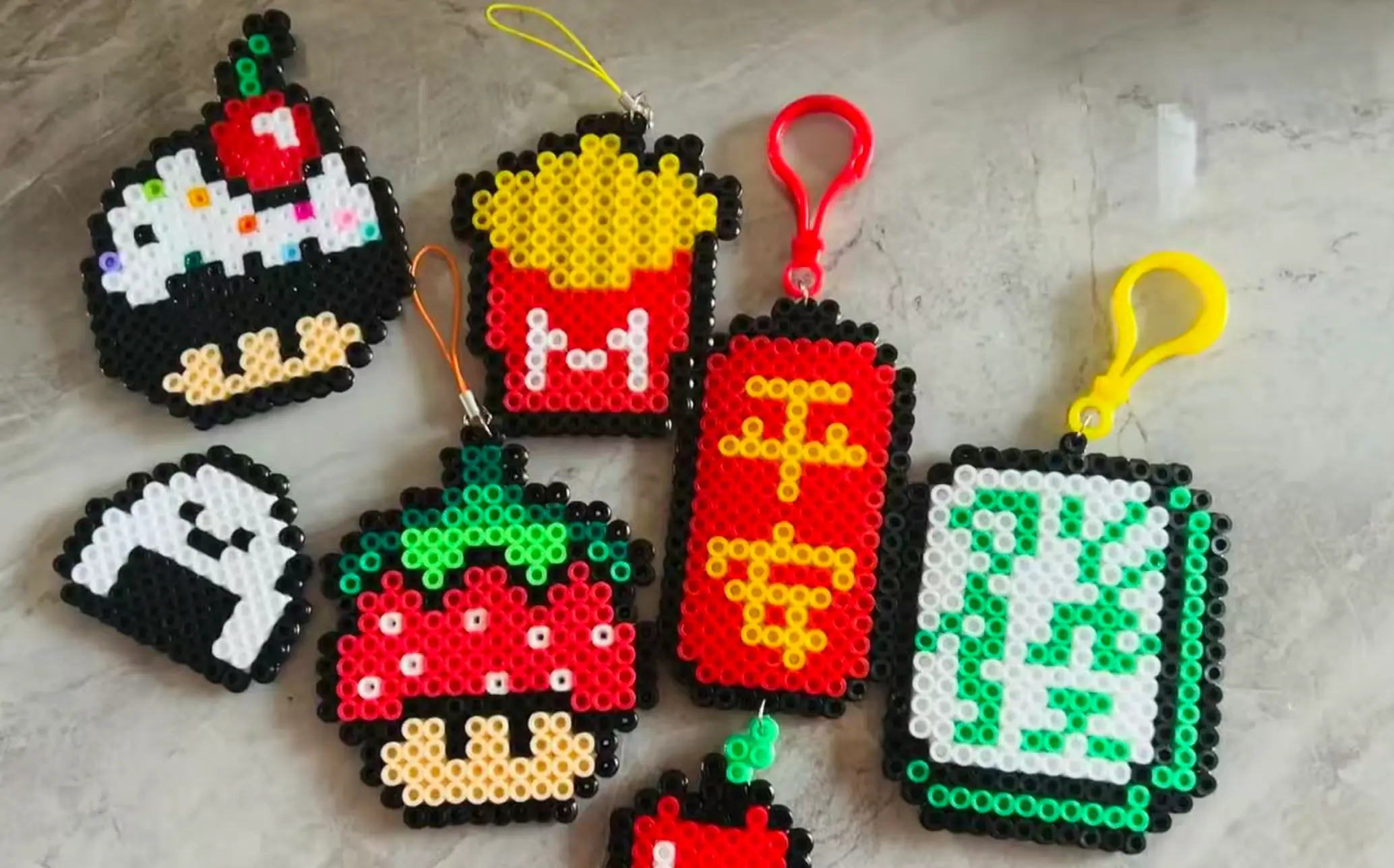
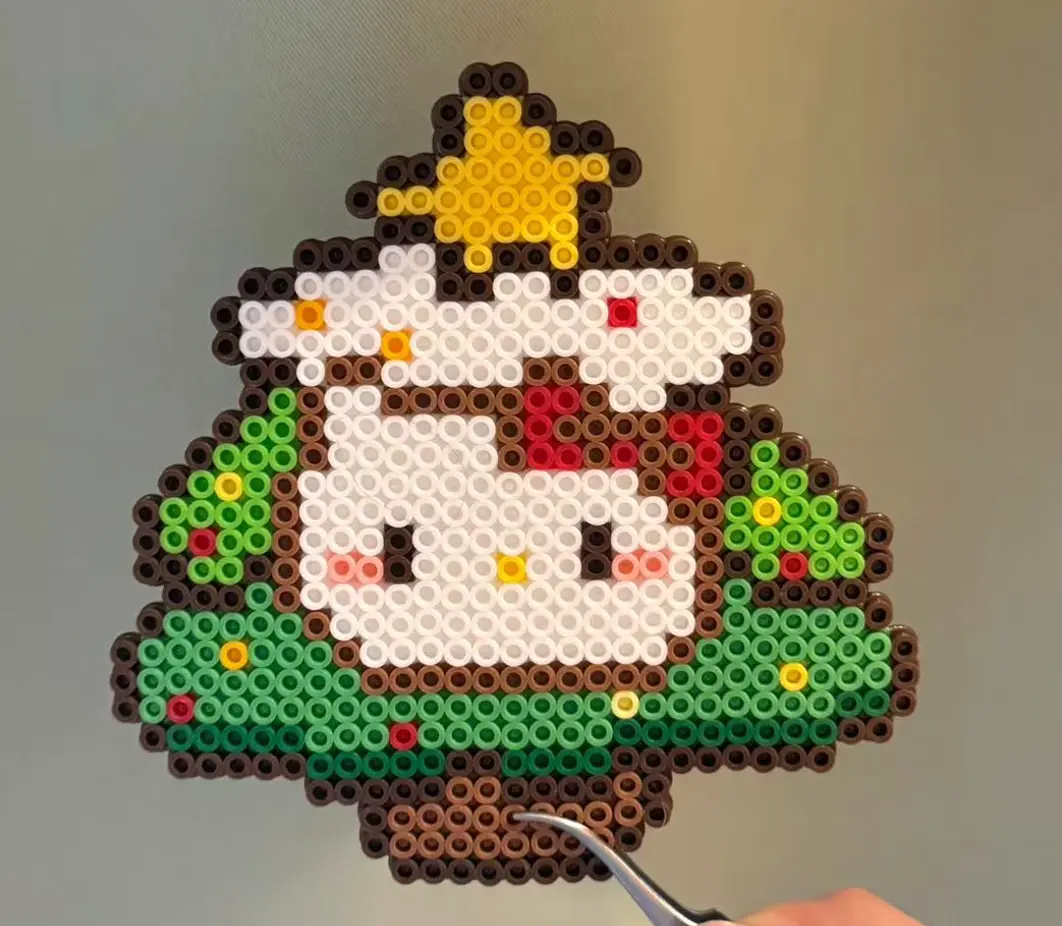
- A clean hero image of both finished pieces
- A same-pattern side-by-side comparison
- A macro texture close-up
- A real-world size comparison with a hand, ruler, or frame
- A workspace shot showing bead placement difficulty
Final Takeaway
Neither size is universally better.
If you want a faster, easier, more accessible crafting experience, 5mm beads are the better starting point.
If you want finer detail and more professional-looking pixel art, 2.6mm beads usually give the stronger final result.
The best choice depends on what you value more: ease and speed, or detail and precision.