
We all have that one emoji that dominates our recently used tray. For me, it's the crying-laughing face. Or maybe the heart-eyes when I see a particularly good sandwich. These tiny icons are basically digital pixel art already, which makes them the perfect subject for fuse beads.
You can turn these designs into functional fridge magnets in about 20 minutes. It's a low-stakes project. If you mess up a yellow circle, you've only lost a few cents in plastic.
Key Takeaway: The best way to make emoji magnets is using 2.6mm mini beads on a small pegboard. This allows for recognizable facial expressions within a standard 1-inch to 2-inch magnet size without looking bulky.
Why Emojis Work for Beginners
Most emojis rely on high-contrast colors—usually bright yellow, black, and red. This makes them easy to read even from across the kitchen. They're also mostly symmetrical. If you can build one half of a smiley face, you can build the other.
They don't use many beads. You can usually finish a standard face with fewer than 200 beads. It's a great way to use up those random yellow leftovers at the bottom of a mixed bucket.
Picking the Right Design
Not every emoji translates well to a grid. The complex ones, like the "partying face" with confetti, can get messy on a small pegboard. Stick to the basics first.
- Smiling Face (😊): The gold standard. Just a circle, two dots, and a curve.
- Red Heart (❤️): Symmetrical and solid color. Hard to mess up.
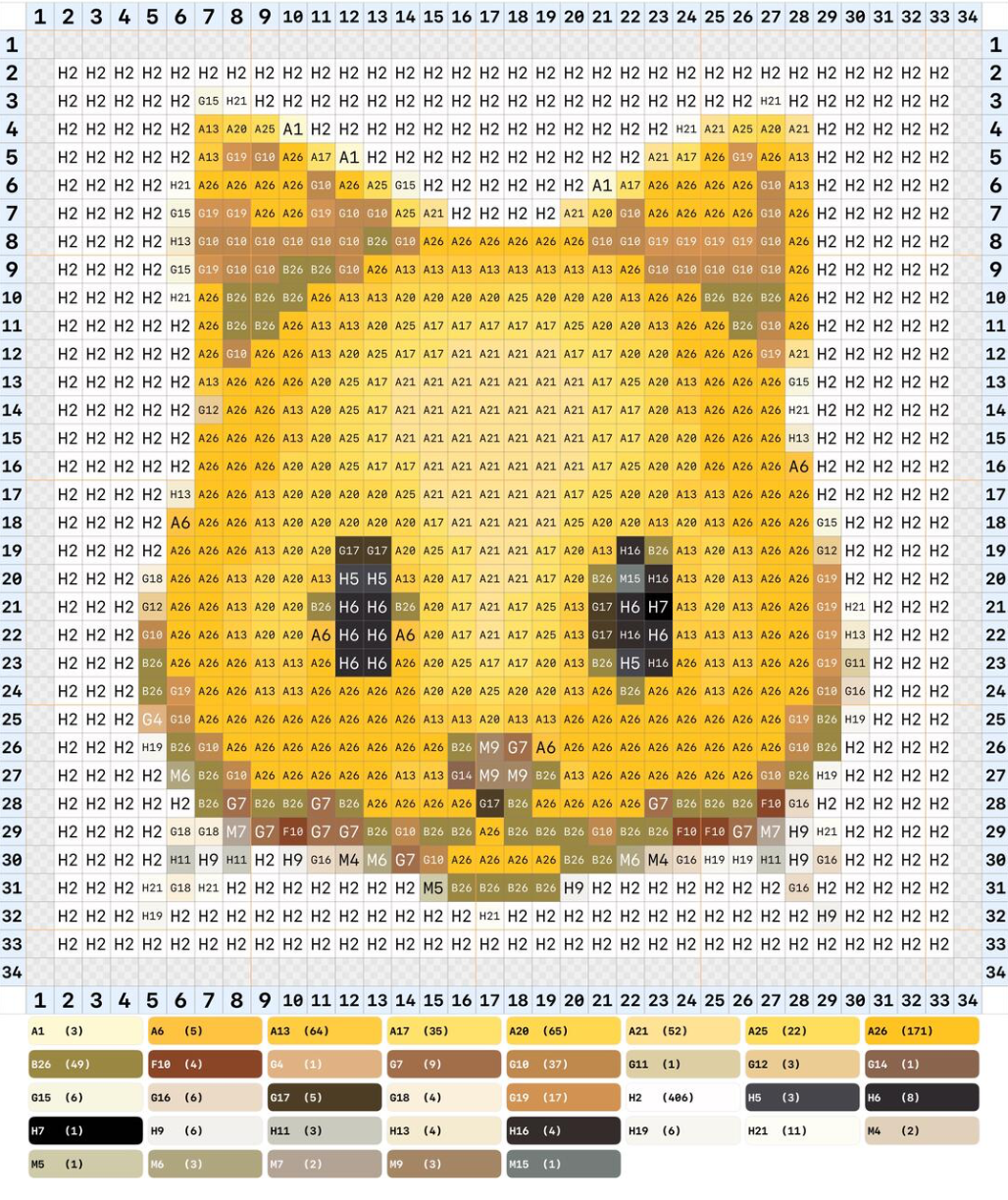
- Sunglasses (😎): Great for practicing straight lines and blocks of black.
- Crying-Laughing (😂): A bit harder because of the blue tears, but very rewarding.
I usually avoid emojis with thin gradients or glowing effects. Fuse beads are binary—the color is either there or it isn't. Stick to solid, bold icons.
Generating Your Pattern
If you don't want to wing it, use a tool like the Pixel Pattern generator. You just upload a screenshot of the emoji from your phone, and it converts it into a bead-by-bead grid.
Set the width to about 20 or 25 pegs. Anything smaller and the eyes disappear; anything larger and it becomes too heavy for a standard magnet to hold up on the fridge. (Trust me, I've had heavy ones slide down the freezer door and shatter on the floor. It's tragic.)

Materials Checklist
| Item | Purpose |
|---|---|
| 2.6mm Mini Beads | Better detail for small magnets. |
| Small Square Pegboard | Keeps the project contained. |
| Ironing Paper | Parchment paper works too. Never use wax paper. |
| Adhesive Magnet Sheets | Turns the art into a tool. |

The Assembly Process
Start from the outside and work in. I find that laying down the yellow border first helps define the space. Then, I drop in the black beads for the eyes and mouth. Filling in the rest of the yellow is the mindless, relaxing part.
Use tweezers. Seriously. Trying to place mini beads with your fingers is a test of patience I usually fail. One slip and you've knocked over half the face.
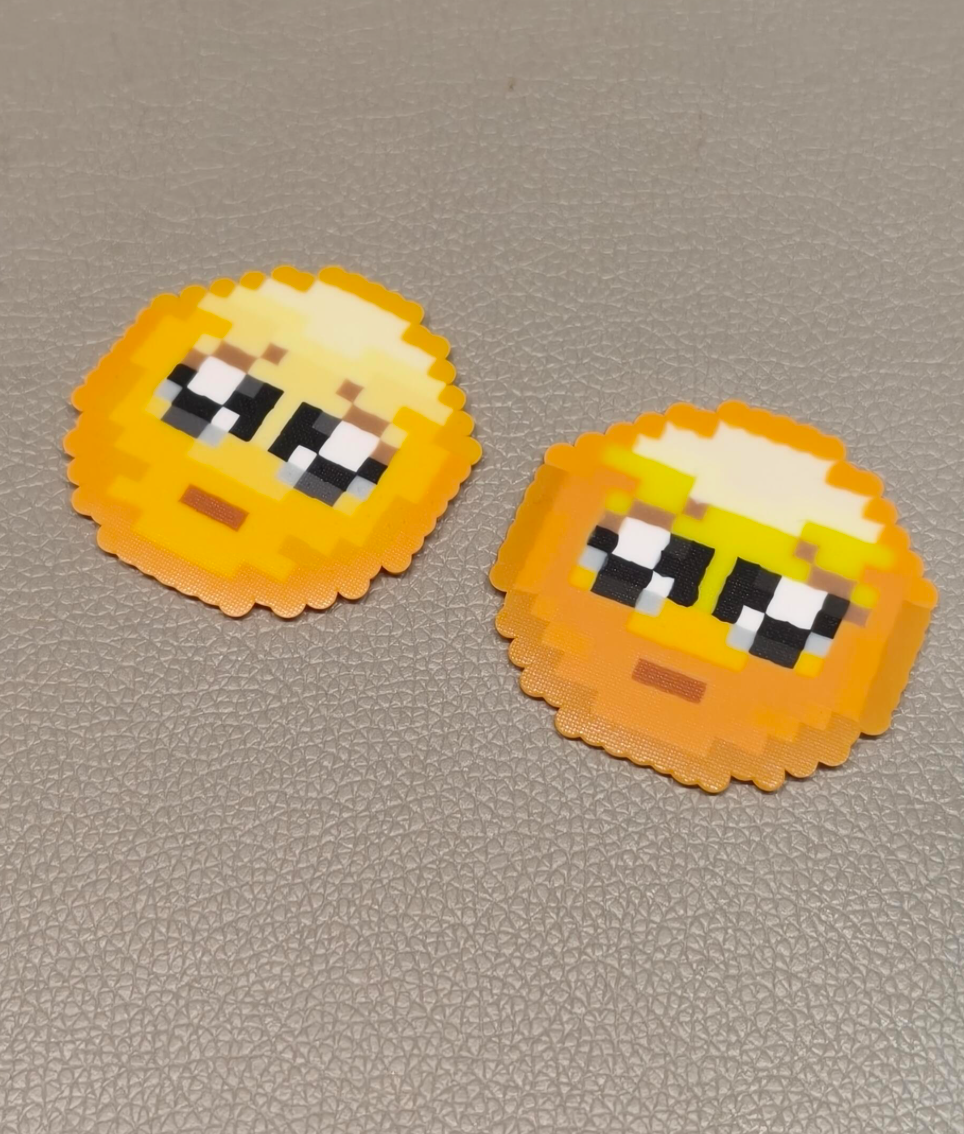
When ironing, aim for a "flat melt." This means you iron until the holes in the center of the beads are almost completely closed. For magnets, this creates a much stronger bond. If the beads are only lightly fused, the constant pulling on and off the fridge will eventually snap the piece in half.
Adding the Magnet
Wait for the piece to cool completely. If it's still warm, the adhesive on the magnet might fail or the bead piece might warp. I usually stick mine under a heavy book for five minutes to keep it perfectly flat.
Cut a piece of self-adhesive magnet sheet slightly smaller than the emoji. You don't want the black magnet peeking out from behind the yellow beads. Peel, stick, and press firmly for ten seconds. Done.
Troubleshooting
The piece is curling: This happens if you iron one side too much. Iron the other side briefly to balance the heat, then immediately put it under a heavy book while it cools.
The yellow looks orange: Different brands have different "standard" yellows. Perler's Yellow is very bright, while some Artkal shades are more golden. Stick to one brand per project to avoid a patchy look.
Frequently Asked Questions
What size beads are best for magnets?
Mini beads (2.6mm) are ideal. They keep the finished piece lightweight and detailed. Standard 5mm beads work too, but the magnet will be much larger.
How do I prevent the magnet from falling off?
Make sure the bead piece is totally cool and flat. If it's even slightly warped, the adhesive won't have enough surface contact to stay put.